
The challenge
Thousands of structures, limited crews
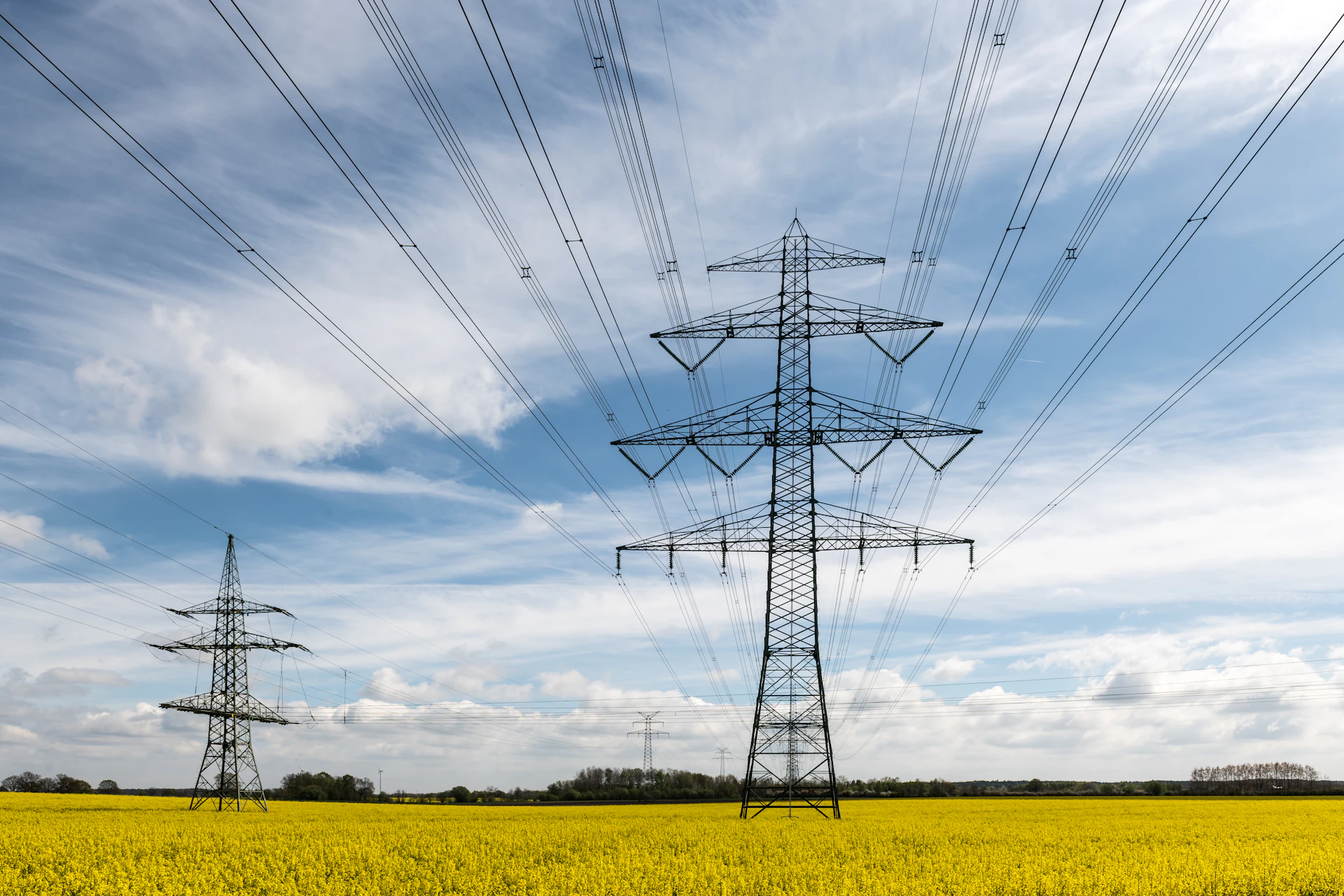
Distribution systems are made of a very large number of similar structures spread across urban, rural and wooded terrain. Ground patrols see the bottom of the pole well and the top of it poorly; climbing or bucket inspections are slow and require outages or traffic control.
The defects that cause outages and safety incidents — cracked insulators, damaged crossarms, loose or corroded hardware, failing cutouts, bird and animal damage — are typically at the top of the structure, where a camera positioned above or beside the hardware sees far more than an observer at ground level.
- Top-of-pole hardware not visible from the ground
- Backlogs of structures overdue for inspection
- Storm damage assessments needed before crews can be dispatched safely
- Inconsistent condition data across contractors and years
Our approach
Inspection designed for maintenance planning
Structure imagery
A defined set of photos per structure — top, each side, hardware and equipment — so every pole is documented the same way.
Defect classification
Findings classified with your utility’s defect codes and priority levels, or with a standard scheme agreed at kickoff.
Equipment inventory
Transformers, reclosers, switches, capacitor banks and attachments identified and recorded with location.
Clearance screening
Vegetation and object proximity flagged for follow-up; measured clearances available with LiDAR.
Thermal option
Infrared capture of connections and equipment under load to detect abnormal heating.
Storm assessment
Rapid damage documentation after weather events to support safe and prioritized restoration.
Deliverables
What you receive
- Photo set per structure, named with structure ID
- Findings register with defect code, priority and photo reference
- Equipment inventory updates
- Map layers of structures and findings
- Segment summary and recommended work
Standards context
Aligned with utility practice
Inspection criteria are aligned with your utility’s maintenance standards and the clearance and strength requirements your engineers apply under the National Electrical Safety Code (NESC). Flights near energized lines follow FAA Part 107 rules, the utility’s safety requirements and minimum approach distances established in the safety plan.
How a powerline project runs
- Scope Circuits, structure counts, defect codes, priority definitions and photo standards.
- Plan Flight plans per circuit, access, landowner notification and airspace review.
- Capture Structure-by-structure imagery with in-field coverage checks.
- Review Every structure reviewed by an analyst; findings classified and located.
- Deliver Findings to your work management system or the Geospatial Platform.
Frequently asked questions
Can you use our defect codes?
Yes. Using your existing codes and priorities makes the findings directly usable by planners and avoids re-classification.
Is an outage required?
Aerial inspection is performed without de-energizing the line, from distances defined in the safety plan.
How is this different from transmission inspection?
Distribution inspection focuses on high structure counts and equipment; transmission inspection adds larger structures, longer spans and engineering-grade clearance analysis.
Related
Related services and references
Vegetation Monitoring
Clearance measurement and encroachment detection along lines.
Powerline inspection methods
Knowledge Center comparison of ground, aerial, LiDAR and thermal methods.
Thermal Inspection
Infrared surveys of connections and equipment under load.