Infrared thermography measures the thermal radiation emitted by surfaces and converts it into temperature images. Because many electrical and mechanical problems produce heat before they fail, thermography has become a standard condition-monitoring tool for substations, switchgear, motors, process equipment, buildings and solar plants. Its results, however, are only as good as the measurement conditions and the interpretation.
How infrared cameras measure temperature
All objects above absolute zero emit infrared radiation. Thermal cameras used in industry typically sense the long-wave infrared band (about 7.5 to 14 micrometers). The camera receives radiation from three sources: the target’s emission, radiation reflected by the target from its surroundings, and radiation from the atmosphere between the target and the camera. Radiometric cameras store calibrated data for each pixel so that temperatures can be measured and recalculated later with corrected parameters.
Emissivity
A surface’s efficiency at emitting thermal radiation compared with an ideal black body, on a scale from 0 to 1. Oxidized or painted surfaces typically have high emissivity; bare, polished metals have low emissivity and reflect much of their surroundings, which makes their temperature hard to measure directly.
Factors that affect accuracy
- Emissivity and reflections: shiny metal can show the reflected temperature of the sky or a nearby heat source rather than its own.
- Distance and spatial resolution: each pixel averages a small area. A small hot connection seen from far away can be averaged with cooler background and appear cooler than it is.
- Load: electrical heating increases with current. Surveys should be conducted when equipment carries representative load; many programs aim for a substantial fraction of rated load.
- Wind: convective cooling reduces apparent temperature rise outdoors.
- Solar heating: sunlight warms surfaces and can mask or mimic anomalies.
- Atmosphere and humidity: rain and moisture affect measurements and surface temperatures.
- Angle of view: emissivity decreases at oblique angles on many surfaces.
Electrical applications
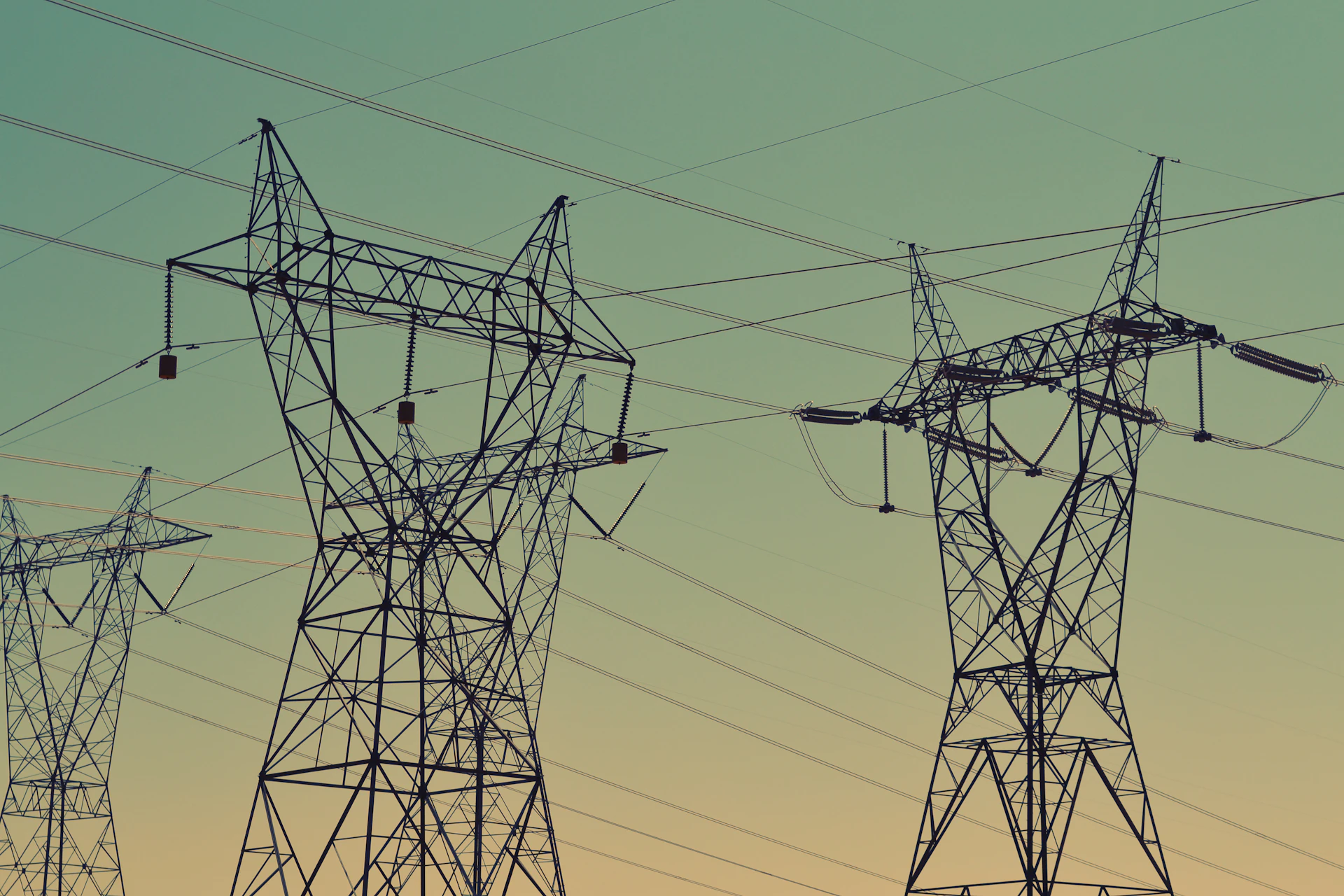
Thermography detects abnormal heating in connections, fuses, breakers, disconnect switches, bushings, transformers and cables. Common findings include loose or corroded connections, overloaded or unbalanced circuits, and internal faults causing surface heating.
Severity classification
Findings are typically classified by temperature difference (delta-T) — either compared with similar components under similar load, or compared with ambient. Industry criteria, such as those published by the InterNational Electrical Testing Association (NETA), define temperature-difference ranges with recommended actions from “possible deficiency” to “major discrepancy, repair immediately”. Programs should adopt a documented criterion and apply it consistently, with engineering judgment for critical equipment.
Maintenance program context
NFPA 70B, Standard for Electrical Equipment Maintenance, includes infrared thermography as part of electrical maintenance programs and relates inspection intervals to equipment condition. Insurance carriers often expect periodic infrared surveys of electrical systems.
Mechanical and process applications
- Bearings, couplings and motors showing friction or misalignment
- Steam traps and valves
- Refractory and insulation damage on furnaces, kilns and piping
- Levels in tanks and vessels (temperature differences between product and vapor space)
- Heat exchangers and cooling systems
Building and roof applications
Moisture trapped in low-slope roofs retains heat differently from dry insulation; surveys after sunset can map wet areas. Building envelope surveys identify air leakage and missing insulation.
Solar photovoltaic plants
Aerial thermography is an efficient way to inspect large PV plants. Defective cells, bypass diode failures, disconnected strings and soiling patterns appear as characteristic thermal signatures. The technical specification IEC TS 62446-3 describes requirements for outdoor infrared thermography of PV modules and plants, including minimum irradiance on the module plane, stable conditions and image resolution requirements.
Drone versus handheld thermography
| Aspect | Drone thermography | Handheld thermography |
|---|---|---|
| Best for | Elevated, extensive or inaccessible assets: lines, roofs, solar plants, stacks | Enclosed electrical equipment, close-range mechanical inspection |
| Coverage | High | Low to moderate |
| Resolution on small targets | Limited by distance | High at close range |
| Access constraints | Airspace and site permissions | Safe approach distances; panel access |
Planning a reliable survey
- Define equipment, objectives and severity criteria.
- Schedule for representative load and suitable weather (low wind, no rain, controlled solar effects).
- Use a radiometric camera with adequate resolution for the target size and distance.
- Record conditions: load, ambient temperature, wind, emissivity settings, distance.
- Pair each thermal image with a visible-light image.
- Have qualified thermographers review and classify findings.
- Re-survey after repairs to confirm the problem is resolved.
Limitations
Thermography measures surface temperatures. Internal conditions are inferred and may require additional diagnostics. A normal thermal image does not prove a component is healthy if the conditions did not allow a defect to heat up.
Sources and further reading
- National Fire Protection Association, NFPA 70B: Standard for Electrical Equipment Maintenance
- InterNational Electrical Testing Association, NETA standards
- International Electrotechnical Commission, IEC webstore (IEC TS 62446-3, outdoor infrared thermography of PV modules and plants)
- U.S. Department of Energy, Office of Energy Efficiency and Renewable Energy